

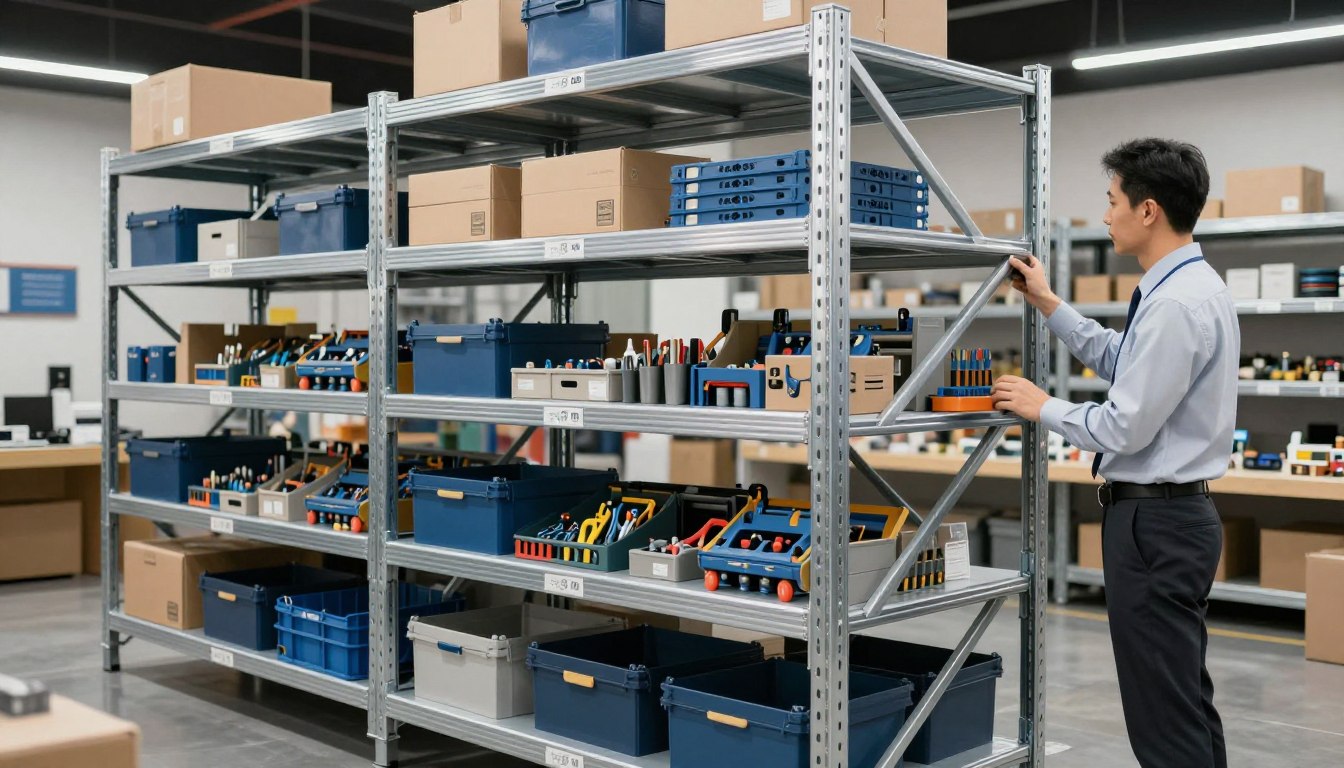
Efficient workspace management is crucial for businesses across various sectors, including retail, warehousing, and manufacturing. One effective way to enhance workspace efficiency is by implementing industrial shelving solutions. These systems provide a structured and organized storage solution, making it easier to access and manage inventory, equipment, and supplies.
By streamlining operations and reducing clutter, businesses can significantly improve overall productivity. The right industrial shelving systems can make a substantial difference in day-to-day operations, allowing companies to operate more smoothly and efficiently.
Key Takeaways
- Industrial shelving solutions enhance workspace efficiency.
- They provide organized storage, improving inventory management.
- Clutter is reduced, and productivity is increased.
- Businesses can operate more smoothly with the right shelving.
- Efficient workspace management is key to business success.
Understanding Industrial Shelving Systems
Understanding the fundamentals of industrial shelving systems is key to optimizing your workspace. Industrial shelving systems are designed to provide a structured and efficient way of storing and managing inventory, equipment, and supplies in various industrial settings.
What Are Industrial Shelving Systems?
Industrial shelving systems refer to the organized structures used for storing items in industries. These systems are engineered to handle heavy loads and are made from durable materials such as steel. They come in various configurations, including heavy-duty shelving units, to accommodate different types of inventory and storage needs.
The design and construction of these systems prioritize both functionality and safety, ensuring that items are stored securely and are easily accessible.
Importance of Shelving in Industry
The importance of industrial storage racks and shelving cannot be overstated. Effective shelving solutions contribute significantly to the overall efficiency of a workspace by maximizing storage capacity, improving inventory management, and enhancing workplace safety.
By implementing appropriate heavy-duty shelving units, industries can reduce clutter, streamline operations, and improve productivity. Moreover, well-organized shelving systems help in maintaining a safe working environment by reducing the risk of accidents related to storage.
Types of Industrial Shelving Systems
The right industrial shelving system can significantly enhance a workspace’s efficiency, and there are multiple types to select from. Industrial shelving systems are designed to cater to different needs and environments, ensuring that businesses can find the perfect fit for their storage requirements.
Adjustable Shelving
Adjustable shelving is a versatile option that allows businesses to customize their storage solutions according to their needs. With customizable shelving systems, users can adjust the height and spacing of shelves to accommodate items of various sizes. This flexibility makes adjustable shelving ideal for environments where storage needs may change frequently.
Heavy-Duty Shelving
For industries that require storing heavy or bulky items, steel shelving units are the preferred choice. Heavy-duty shelving is designed to withstand significant weight, ensuring that businesses can store their goods safely and securely. These shelving systems are particularly useful in warehouses and manufacturing facilities where heavy equipment and materials are common.
Mobile Shelving
Mobile shelving is another innovative solution that enhances accessibility and space efficiency. By allowing shelves to move along tracks or rails, mobile shelving systems enable easy access to stored items without the need for fixed aisle spaces. This type of shelving is particularly beneficial in environments where space is limited, and maximizing storage capacity is crucial.
For more information on industrial shelving solutions, you can visit topregali.si/ to explore a range of customizable shelving options designed to meet specific business needs.
Benefits of Using Industrial Shelving Systems
Industrial shelving systems offer numerous benefits that can transform your workspace, making it more efficient and organized. By optimizing storage and ensuring that items are easily accessible, businesses can significantly improve their operational efficiency.
Maximizing Space Efficiency is one of the primary advantages of industrial shelving systems. These systems are designed to make the most of available space, allowing businesses to store more items in a smaller footprint. By utilizing vertical space and optimizing storage capacity, companies can reduce clutter and create a more streamlined workspace.
Maximizing Space Efficiency
Effective warehouse storage solutions are crucial for maximizing space efficiency. Industrial shelving systems provide a flexible and adaptable storage solution that can be tailored to meet the specific needs of a business. By installing shelving units that are designed to accommodate specific types of inventory, companies can ensure that their storage space is being used effectively.
Improving Organization
Industrial shelving systems also play a critical role in improving organization within the workspace. By providing a designated storage space for items, businesses can reduce the likelihood of misplaced or lost inventory. This, in turn, can lead to improved productivity and reduced operational costs.
Commercial shelving options are available in a range of configurations, allowing businesses to select the shelving system that best meets their needs. Whether it’s adjustable shelving, heavy-duty shelving, or mobile shelving, companies can choose the solution that works best for their specific requirements.
Enhancing Safety
Enhancing Safety is another key benefit of industrial shelving systems. By keeping items off the floor and storing them in a secure and stable manner, businesses can reduce the risk of accidents and injuries. This is particularly important in high-traffic areas or environments where heavy equipment is in use.
A well-organized workspace is not only more efficient but also safer. By implementing industrial shelving systems, companies can create a working environment that is both productive and secure.
Selecting the Right Shelving for Your Needs
The key to a well-organized industrial space lies in selecting the appropriate shelving system. With numerous options available, it’s crucial to consider several factors to make an informed decision.
Assessing Your Space Requirements
Before choosing an industrial shelving system, it’s essential to assess your available space and storage needs. Measure your warehouse or facility to determine the optimal shelving configuration. Consider the layout and how the shelving will integrate with your existing operations.
- Measure the available wall space and floor area.
- Consider the height of your ceiling to maximize vertical storage.
- Plan the shelving layout to ensure easy access to stored items.
Considering Load Capacity
The load capacity of your shelving system is critical, especially in industrial environments where heavy items are stored. Ensure that the shelving you choose can support the weight of your stored goods.
Key considerations for load capacity include:
- Determine the maximum weight of items to be stored.
- Choose shelving materials that can support the required load.
- Consider the distribution of weight across the shelves.
Material Options
Industrial shelving systems are available in various materials, each with its advantages. The choice of material depends on your specific needs, including durability, resistance to corrosion, and aesthetic preferences.
“The right material can significantly enhance the longevity and functionality of your shelving system.”
Common materials used for industrial shelving include:
- Steel: Known for its strength and durability.
- Aluminum: Lightweight and resistant to corrosion.
- Wire: Offers excellent visibility and airflow.
By carefully assessing your space requirements, considering the load capacity, and evaluating material options, you can select an industrial shelving system that meets your needs and enhances your workspace efficiency.
Installation of Industrial Shelving Systems
When it comes to setting up customizable shelving systems, businesses often face a key decision: whether to opt for DIY installation or hire professionals. The installation of heavy-duty shelving units requires careful planning and execution to ensure that the shelving system is installed correctly and safely.
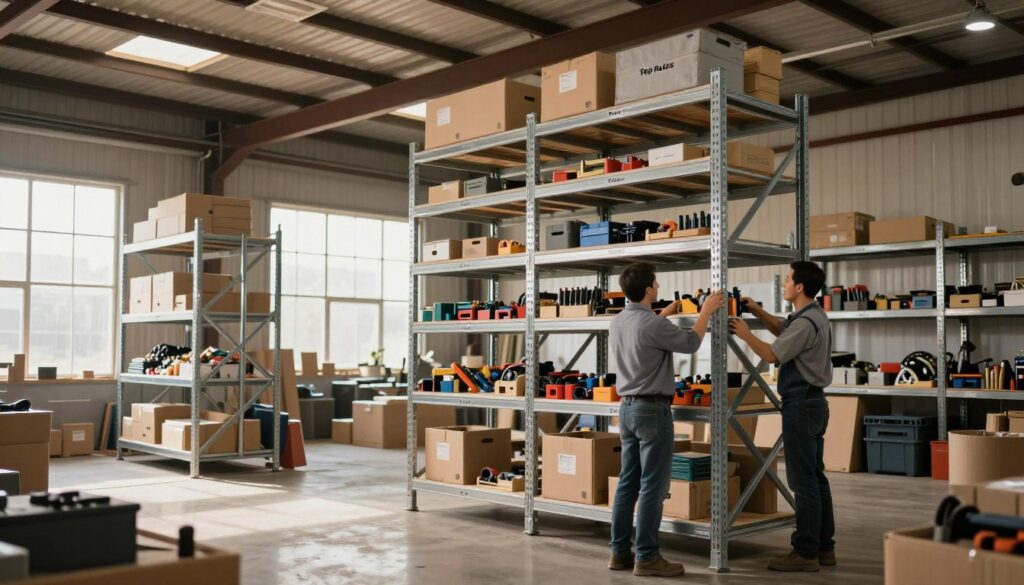
DIY vs. Professional Installation
Choosing between DIY and professional installation depends on several factors, including the complexity of the shelving system, the size of the installation, and the expertise of your team.
- DIY Installation: Suitable for simpler shelving systems and smaller installations. It can be cost-effective but requires careful planning and execution.
- Professional Installation: Recommended for complex or large-scale installations. Professionals bring expertise and efficiency, ensuring that the shelving system is installed safely and correctly.
Step-by-Step Installation Guide
For those opting for DIY installation, here’s a basic step-by-step guide:
- Prepare the site by clearing the area and ensuring the floor is level.
- Assemble the shelving components according to the manufacturer’s instructions.
- Position the shelving units, ensuring they are stable and level.
- Secure the units to the floor or wall as necessary to prevent tipping.
- Load the shelves, distributing the weight evenly to maintain stability.
| Installation Method | Cost | Complexity | Safety |
|---|---|---|---|
| DIY | Lower | Medium to High | Variable |
| Professional | Higher | Low | High |
Ultimately, the choice between DIY and professional installation should be based on a thorough assessment of your needs and capabilities. Ensuring that your industrial shelving systems are installed correctly is crucial for maximizing workspace efficiency and safety.
Maintenance Tips for Industrial Shelving
Maintaining your steel shelving units is not just about longevity; it’s also about safety and productivity. Industrial shelving systems are significant investments for any business, and their upkeep is crucial for operational efficiency.
Regular Inspections
Regular inspections are the cornerstone of maintaining industrial storage racks. By frequently checking for signs of wear and tear, businesses can identify potential issues before they become major problems. This proactive approach helps in preventing accidents and reducing downtime.
During inspections, look for bent frames, damaged shelves, and any signs of structural weakness. Ensuring that all components are securely fastened and that the shelving is properly anchored is also vital.
Cleaning and Upkeep
Cleaning is an essential aspect of shelving maintenance. Dust, dirt, and debris can accumulate on shelves, potentially weakening the structure over time. Regular cleaning not only keeps the workspace tidy but also helps in identifying any damage or wear early on.
Use appropriate cleaning materials that won’t damage the shelving material, whether it’s steel, wood, or a combination of both. For steel shelving units, a mild detergent and water are usually sufficient.
Ensuring Structural Integrity
The structural integrity of industrial shelving is paramount. Overloading shelves can compromise their stability, leading to potential collapses. It’s essential to adhere to the manufacturer’s load capacity guidelines and to distribute weight evenly across the shelves.
Additionally, any damaged or worn-out parts should be replaced promptly. This might involve replacing individual shelves or components rather than the entire unit, depending on the extent of the damage.
By following these maintenance tips, businesses can ensure their industrial shelving systems remain safe, efficient, and durable, supporting overall operational productivity.
Customization Options for Shelving Systems
The ability to customize shelving systems is crucial for businesses looking to optimize their workspace. By tailoring shelving to specific needs, companies can enhance both functionality and aesthetics.
Modular Designs
Modular designs offer flexibility and adaptability, allowing businesses to reconfigure their shelving as needs evolve. This approach enables companies to maximize space efficiency and respond to changing operational demands.
For instance, modular shelving units can be easily expanded or reduced in size, making them ideal for businesses experiencing growth or fluctuating inventory levels. By investing in modular shelving, companies can avoid the need for frequent replacements or major overhauls.
Color and Finish Choices
The color and finish of shelving systems can significantly impact the overall look and feel of a workspace. By selecting from a range of colors and finishes, businesses can create a cohesive and visually appealing environment.
Moreover, certain colors and finishes can enhance the durability of shelving systems. For example, powder-coated finishes can provide a robust and corrosion-resistant surface. Companies can visit TopRacks to explore a variety of commercial shelving options that cater to their specific needs.
When choosing a shelving system, it’s essential to consider both the functional and aesthetic aspects. By doing so, businesses can create a workspace that is not only efficient but also welcoming and conducive to productivity.
Shelving Systems for Specific Industries
The right shelving system can significantly impact a business’s efficiency, with different industries requiring specialized solutions. Industrial shelving systems are designed to cater to the unique demands of various sectors, enhancing productivity and streamlining operations.
Retail Sector Solutions
In the retail sector, shelving systems play a crucial role in product display and inventory management. Effective shelving solutions enable retailers to maximize their display space, improve customer experience, and efficiently manage stock levels.
- Efficient Product Display: Shelving systems help in organizing products in an attractive and accessible manner, enhancing customer shopping experience.
- Inventory Management: Well-designed shelving allows for easy stock management, reducing the time spent on inventory checks and replenishment.
Warehousing and Distribution
For warehousing and distribution centers, shelving systems are vital for warehouse storage solutions. These systems help in optimizing storage capacity, improving inventory accessibility, and ensuring efficient order fulfillment.
| Feature | Benefits | Impact |
|---|---|---|
| High-Density Storage | Maximizes storage capacity | Increased storage efficiency |
| Efficient Inventory Management | Easy access to stock | Reduced labor costs |
| Customizable Shelving | Adaptable to various products | Improved inventory organization |
Manufacturing Facilities
In manufacturing facilities, industrial shelving solutions are used to store raw materials, work-in-progress, and finished goods. These shelving systems help in maintaining a clean and organized workspace, improving safety, and enhancing productivity.
Manufacturing facilities benefit from shelving systems that are durable, versatile, and designed to meet the specific needs of production environments.
- Durability: Shelving systems are built to withstand the rigors of manufacturing environments.
- Versatility: Modular designs allow for easy reconfiguration as production needs change.
Cost Factors of Industrial Shelving Systems
When it comes to industrial shelving, the initial cost is just one aspect to consider; long-term value and durability are equally important. Businesses must weigh the upfront expenses against the potential benefits and lifespan of the shelving systems.
Initial Investment vs. Long-Term Value
The initial investment in industrial warehouse shelving can be substantial, but it’s crucial to consider the long-term value it provides. High-quality shelving systems may have a higher upfront cost but offer greater durability and less maintenance over time.
For instance, steel shelving units are known for their robustness and longevity. Although they might be more expensive initially, they can withstand heavy loads and harsh environments, reducing the need for frequent replacements or repairs.
| Factor | Initial Cost | Long-Term Value |
|---|---|---|
| Material | Higher for durable materials like steel | Lower maintenance and replacement costs |
| Customization | Higher for customized solutions | Better space utilization and efficiency |
| Installation | Higher for professional installation | Ensures safety and structural integrity |
Budget-Friendly Options
For businesses with limited budgets, there are several budget-friendly options available. One approach is to consider modular shelving systems that can be expanded or reconfigured as needed, providing flexibility and cost savings.
Another strategy is to explore second-hand or refurbished shelving units. Many companies sell their used shelving systems at a lower cost, which can be a cost-effective solution for businesses looking to save on initial expenses.
By carefully evaluating the cost factors and considering both the initial investment and long-term value, businesses can make informed decisions about their industrial shelving needs.
Trends in Industrial Shelving Systems
The future of industrial shelving systems is being shaped by two major trends: the adoption of sustainable materials and the integration of technology. As businesses continue to evolve, the demand for innovative shelving solutions that not only enhance workspace efficiency but also contribute to a more sustainable and technologically advanced environment is on the rise.
Sustainable Materials
The use of sustainable materials in industrial shelving systems is gaining popularity as companies strive to reduce their environmental footprint. Materials such as recycled steel, sustainably sourced wood, and eco-friendly coatings are becoming more prevalent. These materials not only contribute to a more environmentally friendly workspace but also offer durability and aesthetic appeal.
Businesses are increasingly opting for shelving systems made from materials that are certified by environmental standards organizations. This shift towards sustainability is driven by both regulatory requirements and consumer preferences. By choosing sustainable materials, companies can enhance their brand reputation and contribute to a more circular economy.
Technology Integration
Another significant trend in industrial shelving systems is the integration of technology. Modern shelving solutions are being designed with features such as automated storage and retrieval systems, smart shelving that can monitor inventory levels, and modular designs that can be easily reconfigured. These technological advancements are aimed at improving operational efficiency, reducing labor costs, and enhancing inventory management.
The incorporation of technology in shelving systems also enables businesses to gather valuable data on their storage and inventory practices. This data can be used to optimize storage capacities, streamline logistics, and improve overall supply chain management. As technology continues to evolve, we can expect to see even more innovative solutions in the realm of industrial shelving.
By embracing these trends, businesses can not only improve their workspace efficiency but also contribute to a more sustainable and technologically advanced industrial landscape. The future of customizable shelving systems looks promising, with endless possibilities for innovation and growth.
Conclusion: Transform Your Workspace with Industrial Shelving Systems
Industrial shelving systems are a crucial element in enhancing workspace efficiency, and by implementing the right industrial shelving solutions, businesses can significantly improve their operational productivity.
By maximizing space efficiency, improving organization, and enhancing safety, heavy duty shelving units can have a profound impact on your business operations, allowing for smoother workflows and increased productivity.
When selecting an industrial shelving system, it’s essential to consider factors such as load capacity, material options, and customization needs to ensure the chosen system meets your specific business requirements.
By investing in the right industrial shelving system, businesses in Germany can stay competitive, adapt to changing market demands, and achieve long-term success.